Source Class I Cervical Collar for Home, Medical, and Recovery Use
Find 30 class i cervical collar options from verified Chinese manufacturers. Compare adjustable sizes, materials like cotton and aluminum, and certifications including CE and FDA for home, medical, and recovery applications; compare the available evidence and request quotations based on your requirements.
Key considerations
Products List
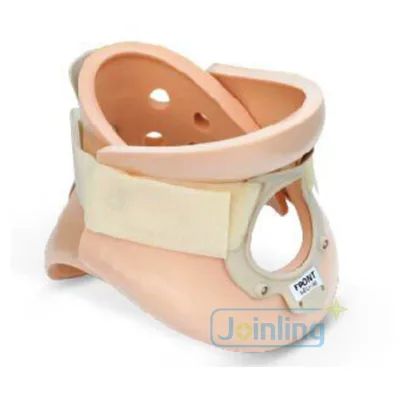


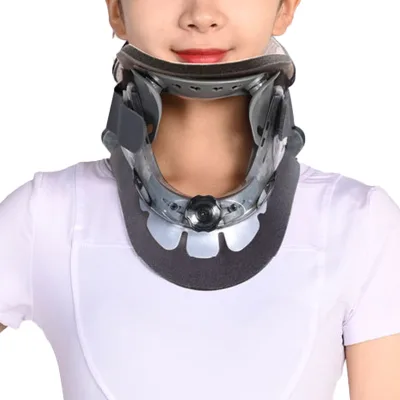
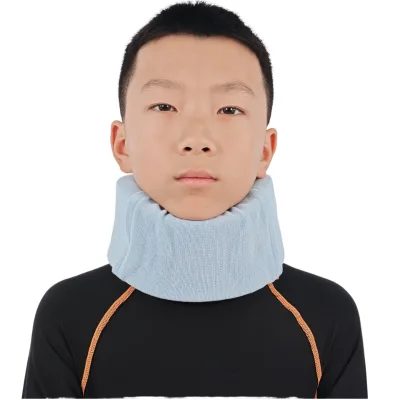


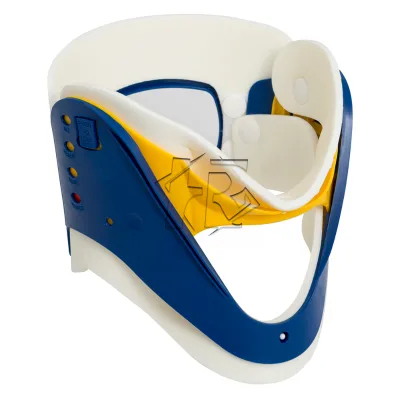






Comprehensive Sourcing Guide
Class I Cervical Collar Sourcing Guide
Procuring Class I cervical collars requires a clear understanding of the regulatory classification and the specific functional needs of the target patient population. These devices are generally intended for temporary neck support and recovery, distinguishing them from more complex medical equipment that requires higher regulatory scrutiny. Buyers must verify that the product is explicitly classified as Class I, which typically implies a lower risk profile but still demands adherence to basic safety and performance standards.
The sourcing landscape for these items often features a mix of manufacturers from major Chinese production hubs, including Zhejiang and Fujian provinces. While some listings indicate specific model numbers like JL10601-3 or TW5002, the actual specifications can vary significantly between suppliers. It is critical to distinguish between generic orthotics and specialized recovery aids, ensuring the selected collar matches the intended clinical or home-use application without over-specifying features that may not be necessary for the end-user.
Product Scope and Observed Listing Signals
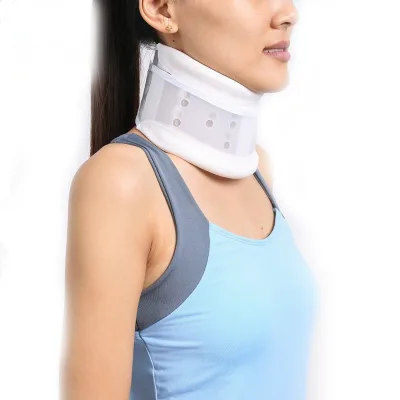
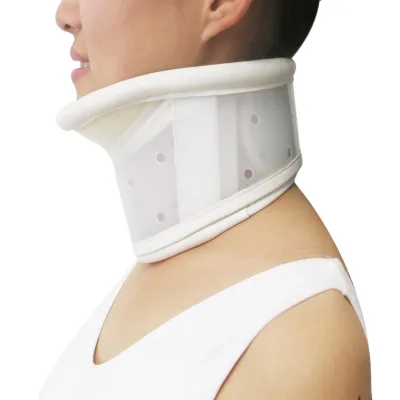
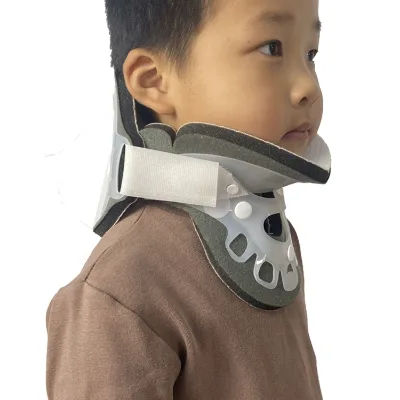
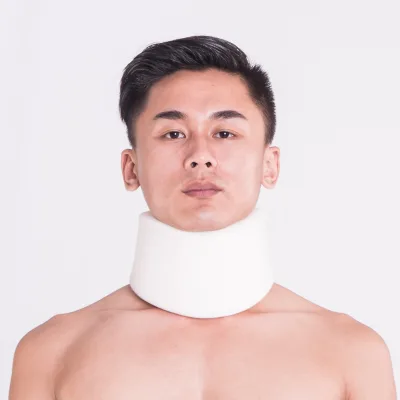
The observed product range includes cervical collars made from diverse materials such as cotton, aluminum alloy, and nylon blends, each offering distinct benefits for comfort and durability. Listings frequently highlight adjustable sizes and specific settings, such as 16-position adjustments, to accommodate different patient heights ranging from 145cm to 180cm. Buyers should carefully review these material and sizing details to ensure the collar provides adequate support without causing skin irritation or restricting necessary movement during the recovery phase.
Commercial listings often present a wide price range and varying minimum order quantities, reflecting the diversity of the supply base. Some suppliers offer customization services and OEM options, while others provide standard SKUs with fixed packaging dimensions. It is essential to analyze the single package size and gross weight, as these factors directly impact logistics costs and storage requirements. Buyers must align their order volume with the supplier's MOQ, which can range from single items to thousands of units, to optimize their procurement budget effectively.
Technical Specifications to Verify
Technical verification begins with confirming the physical dimensions and structural integrity of the collar, as these directly influence patient comfort and therapeutic efficacy. Specifications such as the single package size of 30x20x20 cm or larger outer cartons of 58.5x20x32 cm indicate the bulkiness of the product and its suitability for specific shipping methods. Buyers should request detailed diagrams showing the adjustable mechanisms and ensure that the claimed settings, such as the 16-position adjustment, are mechanically robust and easy for patients to operate independently.
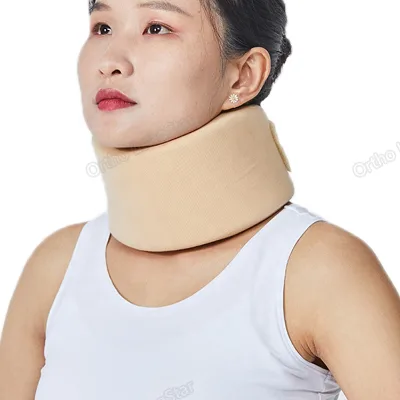
Material composition is another critical technical parameter that determines the longevity and hygiene of the device. While some products utilize cotton for breathability, others may incorporate aluminum alloy or synthetic blends like polyester and rayon for enhanced structural support. It is vital to verify that the material is suitable for the intended environment, whether it is for home use or clinical settings, and that it meets the necessary wear-resistant and impact-resistant criteria. Confirming the exact material blend prevents issues related to skin allergies or premature wear during extended use.
Compliance and Safety Documentation
Regulatory compliance is a non-negotiable aspect of sourcing Class I medical devices, requiring suppliers to provide valid certification documents such as CE or FDA clearance. The presence of these certifications indicates that the product has met specific safety and performance benchmarks, although the exact scope of approval must be verified against the intended market. Buyers should request copies of the certificates and cross-reference them with the specific model numbers to ensure that the certification covers the exact variant being purchased.
In addition to product-specific certifications, buyers should inquire about the manufacturer's quality management systems, such as ISO 13485, which governs the production process. While some listings may mention these standards, the actual validity and scope of the certification must be confirmed through direct communication with the supplier. Ensuring that the supplier maintains a compliant quality system reduces the risk of receiving non-conforming products and provides a layer of assurance regarding the consistency and safety of the medical devices.
Cost Drivers and Commercial Terms
The final cost of Class I cervical collars is influenced by several factors, including material selection, customization requirements, and the complexity of the packaging. Products with advanced features like multiple adjustment settings or specialized materials often command higher prices, while standard cotton models may be more cost-effective for bulk orders. Buyers should analyze the unit price in relation to the total order value, considering that the observed price range can vary significantly based on these variables.
Commercial terms such as Minimum Order Quantity (MOQ) and payment conditions play a crucial role in the overall procurement strategy. Suppliers may require MOQs of 100 pieces or more, which can impact the initial investment and inventory management for smaller buyers. Additionally, the availability of OEM services and after-sales support, such as online technical assistance, can add value to the transaction. Buyers must negotiate these terms carefully to ensure they align with their budget constraints and operational capabilities.
Supplier Qualification and Quality Control
Evaluating supplier qualification involves assessing their production capacity, location, and history of delivering medical-grade products. Many suppliers are located in established manufacturing regions like Zhejiang and Xiamen, which offer a robust supply chain infrastructure. However, buyers should verify the supplier's ability to maintain consistent quality across large production runs, especially when dealing with customized orders that require specific branding or packaging.
Quality control processes should be a primary focus during supplier selection, with an emphasis on pre-shipment inspections and batch testing. Buyers should request detailed quality control reports that cover material testing, dimensional accuracy, and functional performance of the adjustment mechanisms. Establishing a clear communication channel for addressing defects or non-conformities is essential, ensuring that any issues are resolved promptly to prevent delays in the supply chain and maintain patient safety standards.
Long-Term Procurement Checks
Sustaining a successful procurement relationship requires regular audits and performance reviews to ensure ongoing compliance and quality. Buyers should schedule periodic assessments of the supplier's production lines and quality management systems to verify that standards are consistently met over time. This proactive approach helps identify potential issues before they escalate, ensuring a steady supply of reliable cervical collars for the organization's needs.
Long-term checks also involve monitoring market trends and regulatory changes that could impact the product's classification or safety requirements. As medical device regulations evolve, suppliers must adapt their processes to remain compliant, and buyers should stay informed about these changes to avoid disruptions. By maintaining a collaborative relationship with suppliers and fostering open communication, organizations can ensure a resilient supply chain capable of meeting future demands and regulatory challenges.
FAQs
What certifications do class i cervical collars typically hold?
Class I cervical collars commonly hold CE and FDA certifications, indicating compliance with regional medical device regulations. These certifications ensure the product meets essential safety and performance standards for home or clinical use. Buyers should verify specific certificate validity with the supplier before procurement to ensure regulatory alignment in their target market.
Can class i cervical collars be customized for specific needs?
Yes, many class i cervical collar manufacturers offer customization services, including OEM and ODM options. Buyers can request specific materials, colors, or packaging requirements to suit their brand or clinical needs. This flexibility allows for tailored solutions, such as adjusting the size or material composition to better fit the target patient population.
What is the typical MOQ for class i cervical collar orders?
The minimum order quantity for class i cervical collars typically starts at 100 pieces, though some suppliers may accept lower MOQs. Higher volumes often unlock better pricing tiers. Buyers should confirm the exact MOQ with the supplier, as it can vary based on customization requirements, material availability, and the manufacturer's production capacity.
Which materials are used in class i cervical collars?
Class i cervical collars are commonly made from cotton, nylon, polyester, rayon, or aluminum alloy, depending on the design and function. Cotton offers breathability for comfort, while synthetic blends provide durability. Aluminum variants offer structural support. Buyers should select materials based on the intended usage, such as home recovery or medical support.
Where are class i cervical collars primarily manufactured?
Class i cervical collars are primarily manufactured in China, with key production hubs in Zhejiang and Fujian provinces. These regions offer established supply chains for medical textiles and orthotics. Buyers can leverage these locations for cost-effective sourcing, ensuring access to a wide range of suppliers with varying capabilities in customization and volume production.
How are class i cervical collars packaged for shipping?
Class i cervical collars are typically packaged in outer cartons, with specific dimensions varying by model. Single package sizes often range from 30x20x20 cm to larger cartons for bulk shipping. Packaging can be customized to meet buyer requirements, ensuring product protection during transit. Buyers should confirm carton dimensions and weight to optimize logistics planning.